Camden Council permits for skip and rubbish removal Kentish Town
Posted on 31/07/2026
Camden Council permits for skip and rubbish removal Kentish Town: a practical guide for local households and businesses
If you are arranging a clear-out in Kentish Town, the paperwork can matter just as much as the rubbish itself. Camden Council permits for skip and rubbish removal Kentish Town are not the exciting part of the job, but they can decide whether your project runs smoothly or gets delayed by avoidable fines, blocked access, or a frustrated neighbour. Whether you are clearing a flat off a narrow road, dealing with builders' waste, or just trying to get a bulky sofa out of the way, understanding the permit side of things saves time, stress, and a fair bit of guesswork.
In this guide, we break down when a permit may be needed, how skip hire and rubbish removal differ in practice, what common mistakes to avoid, and how to choose the cleanest route for your situation. We will also look at compliance, access issues, and the real-world decisions people in Kentish Town make every week when space is tight and the street outside is doing no one any favours.
For broader help with choosing the right removal route, you may also find our services overview useful, especially if you are comparing a skip with a same-day collection.
Why Camden Council permits for skip and rubbish removal Kentish Town Matters
Permits matter because skips and waste collections can affect roads, pavements, neighbours, and access. In a busy part of north London like Kentish Town, space is rarely generous. A skip placed poorly can block sightlines, make parking awkward, or create a nuisance on a street where delivery vans, cyclists, and pedestrians are already weaving around each other. That is before you even get to the practical headache of getting a lorry in and out on a narrow road at the wrong time of day.
The permit question is especially relevant when a skip sits on public land rather than private land. If it is on a driveway or in a private garden, the rules are usually simpler. On the road or pavement, it is a different story. That is where many people in Kentish Town get caught out. They assume the skip company has sorted everything, or they assume a rubbish collection van can stop anywhere for a few minutes. Sometimes that works. Sometimes it does not. A little clarity upfront saves a lot of back-and-forth later.
There is also a trust angle here. Using a properly licensed, insured waste carrier and understanding permit requirements helps reduce the risk of fly-tipping, poor service, and disputes over where the waste ended up. If you want a deeper look at how responsible operators should work, see our page on waste carrier licence and compliance.
Expert summary: If your waste stays on private property, you may avoid permit issues altogether. If it needs to go on the road or pavement, assume extra checks are needed and plan early. That one habit prevents a surprising amount of hassle.
How Camden Council permits for skip and rubbish removal Kentish Town Works
The process usually comes down to three questions: where will the waste sit, who is removing it, and how long will it be there? A skip hire arrangement normally means a container is delivered and left in place for a set period. If that skip needs to occupy part of the public highway, a permit is commonly needed. For rubbish removal, the vehicle may be loading waste directly from your property or the kerbside, which can reduce the need for a long-stay permit, though access and stopping restrictions still matter.
That difference matters more than people expect. A skip is static. Rubbish removal is dynamic. If you are clearing one bulky item, a garden pile, or several bags from a tight terrace, a collection crew may be quicker and more practical than waiting for a skip permit and delivery slot. On the other hand, if you are mid-renovation and generating waste for several days, a skip may be the cleaner option. Truth be told, there is no single answer that suits everyone.
In real terms, the permit side usually depends on location, duration, and whether the container or vehicle affects public space. Kentish Town streets can be busy enough that timing matters too. Early mornings can be calmer; late afternoons can be a headache. If you are planning clearance around local access points, it helps to read practical route guidance like our Kentish Town road rubbish removal guide or the Fortess Road rubbish collection tips for more street-level context.
One thing to keep in mind: rubbish removal and skip hire are not just about convenience. They are about access, safety, and whether the waste can be removed legally and efficiently. You do not want a situation where a half-full skip is sitting in the wrong place while the weather turns and the plasterboard starts absorbing rain. Not ideal, to say the least.
Key Benefits and Practical Advantages
Getting the permit and logistics right can save time, reduce costs, and improve the whole clean-up experience. That sounds obvious, but the benefits are often felt in small ways first: fewer delays, fewer neighbour complaints, less disruption at the front of the property, and no awkward scramble to move a skip because parking enforcement is circling.
- Better legal compliance: You avoid placing waste or containers where they should not be.
- Less stress: Clear rules remove the guesswork from the job.
- Smoother access: A well-planned collection is easier for crews, residents, and pedestrians.
- Cleaner streetscape: Particularly important in dense residential areas with shared access.
- More predictable timing: When permits and collection windows are arranged properly, the job feels orderly.
There is also a practical financial benefit. A rushed mistake can cost more than doing it properly first time. For example, a missed permit requirement can mean rearranging delivery, extending hire periods, or paying for extra visits. If you are trying to keep an eye on cost, our pricing and quotes page explains how estimates are usually approached. It is worth reading before you book anything in a hurry.
Another advantage is that the right solution often turns out to be simpler than expected. A lot of Kentish Town jobs are not huge. One sofa, some broken shelving, old appliances, or a few bags from a loft. In those cases, a full skip may be overkill. A targeted rubbish collection can be the neatest route, especially if you want the driveway back by the evening.
Who This Is For and When It Makes Sense
This topic matters for more people than you might think. Homeowners, tenants, landlords, letting agents, builders, shop owners, office managers, and people handling estate clearances all run into the same question eventually: do I need a skip, do I need a permit, or do I just need a collection team to take it away?
Here are the most common Kentish Town scenarios:
- Home clear-outs: Loft, garage, shed, or post-move decluttering where waste volume is moderate to high.
- Renovations: Kitchen rip-outs, bathroom upgrades, plaster, timber, packaging, and mixed builders' waste.
- Garden work: Branches, soil, hedge trimmings, old fencing, and awkward green waste.
- Business clearances: Office furniture, archive disposal, shop refits, and commercial waste streams.
- Bulky item disposal: Sofas, wardrobes, white goods, mattresses, and one-off heavy items.
If you are planning a larger property project, local context can matter more than people realise. A flat on a narrow street near the station is a very different job from a house with a front garden and a clear drive. If you are making property decisions as well as waste decisions, you may find our local pieces on Kentish Town real estate purchases and whether Kentish Town is a good place to live surprisingly relevant. Waste logistics and property layout often go hand in hand. Funny how that happens.
For commercial users, compliance and reliability are usually the deciding factors. If you need ongoing clearance or recurring waste support, look at the broader options in commercial waste removal in Kentish Town rather than treating every collection as a one-off emergency.
Step-by-Step Guidance
If you want a simple route through the process, use this sequence. It is not glamorous, but it works.
- Work out what you are removing. Separate bulky furniture, mixed rubbish, recyclable materials, and hazardous items. Do not lump everything together and hope for the best.
- Check where the waste will be placed. Private land is easiest. Public land usually raises permit questions.
- Measure the likely volume. A few bags and a mattress are not the same as a room full of renovation debris.
- Decide between a skip and direct collection. If the waste will sit for days, a skip may suit. If it is a one-off clear-out, collection may be faster.
- Confirm timing and access. Think about parking, narrow entrances, rear garden access, and traffic flow.
- Ask about permit handling. Some arrangements may include guidance or support. Others require you to organise more yourself.
- Book with clear instructions. Be precise about location, item types, and any obstacles.
- Prepare the waste before the team arrives. This makes the load quicker and reduces confusion on the day.
That last step sounds small, but it really matters. A crew arriving to find everything still inside, spread across two floors, and partially blocked by bikes, bins, and a pram is going to take longer. You probably already knew that, though. We all leave things a bit too late sometimes.
For households trying to understand what can and cannot go out with general rubbish, our article on Camden Council rubbish rules for Kentish Town households is a useful companion read.
Expert Tips for Better Results
Small decisions can make a big difference here. A permit is only one part of the picture. Access, item sorting, and timing all shape the final outcome.
- Keep the load tidy: Break down furniture where possible. Flat items are easier to stack and remove.
- Separate reusable or recyclable material: It can reduce disposal friction and sometimes lower the final cost.
- Plan around school runs and commuter traffic: In Kentish Town, that is not a minor detail.
- Use the rear access if you have it: For some homes, this is a game changer. For others, it is a narrow little puzzle.
- Take photos before booking: This helps avoid misunderstandings about load size and access.
- Ask about same-day or timed options: A tighter schedule can prevent waste from sitting around longer than necessary.
If you are dealing with event waste, for example after a gathering or venue clearance, local timing becomes even more important. Large events create bottles, packaging, cardboard, and odd bulky bits in no time at all. Our Kentish Town party venue guide and O2 Forum event rubbish removal guide both help show why planning access is half the battle.
One more thing: if you are trying to reduce environmental impact, a bit of pre-sorting helps. Reuse what you can, recycle what is appropriate, and keep the waste stream as clean as possible. Our recycling and sustainability page gives a broader view of how responsible disposal should look. Not every job needs to be a heroic clean-up. Just a sensible one.
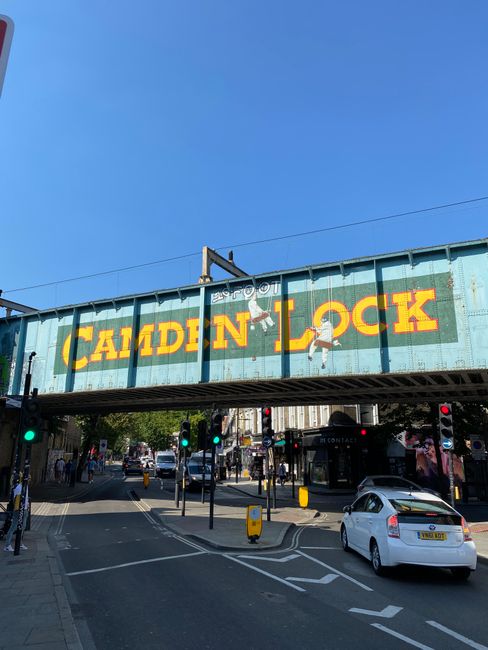
Common Mistakes to Avoid
Most problems come from rushing, guessing, or assuming someone else has handled the paperwork. That is usually where the headache starts.
- Assuming a skip can go anywhere: If it touches public space, check the rules first.
- Underestimating volume: A "few bags" can quietly become a small mountain.
- Ignoring access width: Lorries, skips, and narrow streets do not always play nicely together.
- Leaving items mixed together: Cleaner segregation can simplify loading and disposal.
- Booking too late: This can mean missed dates, extra waiting, or reduced flexibility.
- Not clarifying what is included: People often misunderstand whether labour, loading, and disposal are all covered.
Hidden fees can creep in when the job description is vague. If you want to see how those issues tend to appear, our article on avoiding hidden rubbish removal fees in Kentish Town is worth a read.
And here is a slightly awkward but useful truth: sometimes the cheapest-looking option becomes the most expensive because it creates delays. A permit missed by one day can cost more than the initial saving. Annoying, yes. But fixable if you plan ahead.
Tools, Resources and Recommendations
You do not need a warehouse full of equipment to get this right. A few simple tools and a bit of planning go a long way.
- Measuring tape: Helpful for checking furniture, access routes, and likely skip space.
- Phone camera: Photos help with load estimates and access checks.
- Basic gloves and sturdy footwear: Especially useful if you are moving items before collection.
- Labels or marker tape: Handy for separating keep, recycle, and dispose piles.
- Clear access route: Move bins, plant pots, bikes, or loose items out of the way before the team arrives.
For residents and businesses wanting more general support with clearances, our main pages on rubbish collection in Kentish Town and waste removal in Kentish Town are good starting points.
If you are comparing how the job will be paid for, the guidance on payment and security can help set expectations. And if you want to know more about the people behind the service, the about us page is worth a look. Transparency matters. It really does.
Law, Compliance, Standards, or Best Practice
Because this topic touches public space, waste handling, and local authority permissions, compliance matters. The exact permit rules and operating conditions can vary depending on the location, the placement, and the type of waste service being used. So the safest approach is to treat public highway placement as something that needs checking, not something to assume away.
Best practice usually includes the following:
- Use a licensed waste carrier: This reduces the risk of waste being mishandled or dumped illegally.
- Keep records where sensible: Booking confirmations, item lists, and photos can help if any issue arises.
- Do not place waste where it creates danger: Pavements, access routes, and blind corners are sensitive spots.
- Separate hazardous items: Paints, oils, batteries, gas cylinders, and some electricals often need special handling.
- Follow site-specific instructions: Especially for offices, flats, and managed properties.
For those handling larger domestic clearances, we also recommend reading insurance and safety alongside the waste carrier guidance. It is not the sort of reading most people rush toward, but it can prevent very expensive misunderstandings.
Best practice is not about making things difficult. It is about making sure the job is safe, legitimate, and reasonably stress-free. That is the goal, after all.
Options, Methods, or Comparison Table
Choosing between permit-based skip hire and direct rubbish removal often depends on access, quantity, and speed. Here is a simple comparison to help you think it through.
| Option | Best for | Pros | Watch out for |
|---|---|---|---|
| Skip hire on private land | Driveways, gardens, longer projects | Convenient, on-site storage, flexible loading | Space needed, may not suit tight access |
| Skip hire on public land | Sites without private space | Useful when access is limited | Permit requirements, placement rules, longer setup |
| Direct rubbish removal | Bulky items, one-off clear-outs, urgent jobs | Fast, less street disruption, often simpler | Load size must be clear, access still matters |
| Mixed approach | Renovations with phased waste | Flexible, practical across different stages | Needs planning so nothing gets missed |
In a lot of Kentish Town homes, direct collection is often the easiest route for furniture, appliances, and household clutter. For builders' waste or ongoing work, a skip can make more sense, especially where waste will build up over several days. If you are dealing with renovation debris, our builders' waste disposal page may be the closer match.
Case Study or Real-World Example
A typical Kentish Town scenario goes like this. A resident clears a two-bedroom flat after a long-planned move. The property has no driveway, the street is tight, and the lift is small enough to make everyone sigh before it even starts. The first thought is often, "We need a skip." But once the access is checked, it becomes clear that placing a skip on the road would likely need extra planning and would sit awkwardly on an already busy stretch.
Instead, the load is split into categories: furniture, soft furnishings, a few electrical items, and general clutter from cupboards and storage. The team collects it in one visit. The resident avoids the wait for a skip permit, there is no container sitting outside for days, and the street is back to normal by the afternoon. Everyone wins. Well, almost everyone - the old wardrobe probably did not.
That sort of example is common in Kentish Town because the built environment is a bit of a mixed bag. Some homes have good rear access. Others are all angles, narrow passages, and the kind of front step that makes you regret ordering anything heavy. This is why a practical assessment is worth more than a generic answer.
For related local access situations, our articles on bulky rubbish near Kentish Town Station and rear garden rubbish access on Prince of Wales Road offer good local insight.
Practical Checklist
Use this quick checklist before booking anything:
- Have you confirmed whether the waste will sit on private land or the public highway?
- Do you know roughly how much waste you have?
- Are all bulky items listed clearly?
- Have you separated recyclables, reusables, and general rubbish?
- Is access wide enough for the vehicle or collection team?
- Do you need a permit or special placement permission?
- Have you checked timing, parking, and neighbour impact?
- Do you understand what is included in the service price?
- Have you removed anything hazardous or unusual?
- Are you ready for the collection team to work without delays?
It is a simple list, but in practice it cuts out most of the avoidable drama. And let's face it, most of us would rather spend less time sorting bins and more time doing literally anything else.
If you are planning a larger clearance and want a broader domestic option, our house clearance service, loft clearance, and office clearance pages are also relevant depending on the setting.
Get a free quote today and see how much you can save.
Conclusion
Camden Council permits for skip and rubbish removal Kentish Town are really about planning well, not paperwork for its own sake. If you know where the waste will go, how much there is, and whether it touches public space, you can usually choose the right method without much drama. The better the access plan, the easier the job. The better the waste carrier, the fewer surprises. Simple, but true.
For many Kentish Town jobs, direct rubbish removal is the cleaner, faster option. For bigger, longer projects, a skip may still be the right fit. The trick is to match the method to the property, the street, and the waste itself - not just the price on the day. Small detail, big difference.
And if you are still weighing it up, take your time with the decision. A good waste plan is one of those quiet wins that makes the rest of the week feel easier. That is worth something.