Common problems with bulky rubbish Kentish Town station
Posted on 15/05/2026
Common problems with bulky rubbish Kentish Town station: what usually goes wrong and how to handle it
If you have ever tried to shift a sofa, mattress, broken wardrobe, or a pile of renovation offcuts near Kentish Town station, you will know it can turn into a bigger job than it first looked. The real issue with Common problems with bulky rubbish Kentish Town station is rarely the rubbish itself. It is the mix of tight streets, awkward loading, busy footfall, building access, time pressure, and the need to dispose of everything properly without creating a mess for neighbours or passers-by.
This guide breaks down the most common obstacles people face, why they happen, and what a sensible plan looks like in practice. Whether you are clearing a flat, emptying an office, or dealing with a one-off bulky item that simply will not fit in a car, you will find a straightforward route through the chaos. To be fair, most people only discover the tricky bits once the item is already halfway down the stairs.
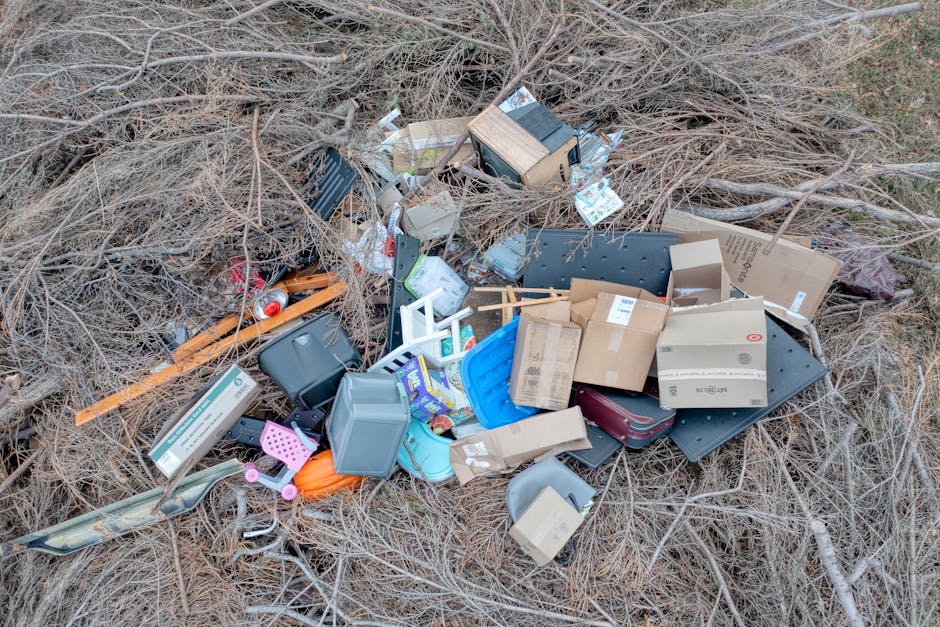
Why Common problems with bulky rubbish Kentish Town station Matters
Kentish Town station sits in a busy part of north London where people, vehicles, deliveries, and daily routines all compete for the same space. That matters because bulky waste is not like a bin bag you can quietly tuck aside. A sofa in the hallway, a dismantled desk in the front room, or a stack of builders' rubble can block access, create safety risks, and trigger complaints fast.
There is also the practical side. Bulky rubbish often needs two people, the right vehicle, careful lifting, and a disposal route that is compliant and traceable. If you get any of those wrong, the job becomes more expensive, more stressful, and sometimes less safe. And near a station environment, where timing and access are already tight, even a small delay can snowball.
For local residents, landlords, letting agents, office managers, and shop operators, the challenge is not just removal. It is removal without disrupting neighbours, causing damage, or leaving you with a pile that sits there for another day. If you are comparing options, it can help to read a broader services overview first, because the right approach depends a lot on what you are clearing and how quickly it needs to go.
Practical takeaway: around busy transport hubs, bulky waste becomes a logistics problem as much as a disposal problem. The best solution is the one that accounts for access, timing, safety, and lawful disposal together.
How Common problems with bulky rubbish Kentish Town station Works
In simple terms, bulky rubbish removal near Kentish Town station usually follows a few stages: identifying the items, checking access, estimating volume, planning the lift and loading route, then taking the waste to the appropriate facility. That sounds neat on paper. Real life, of course, throws in narrow stairwells, parking restrictions, awkward corners, and the odd radiator that will not quite budge.
The biggest problems tend to appear before the van even arrives. People underestimate volume, forget about access limitations, or leave the job until the last minute. A room that looks "almost empty" can still hold a surprising amount of large waste once you start measuring the actual footprint of a wardrobe or filing cabinet. The same applies to mixed waste: one broken item can hide five smaller bits that also need going.
Here is what usually happens in practice:
- Assessment: the items are checked for size, weight, and any special handling needs.
- Access check: stairs, lifts, road space, loading points, and time restrictions are considered.
- Sorting: reusable, recyclable, and general waste items are separated where possible.
- Removal: items are carried, loaded, and secured for transport.
- Disposal: waste is taken to the correct facility, with recycling handled where suitable.
If the rubbish is tied to a property clearance, an office move, or renovation work, the process can be more complex. A proper house clearance in Kentish Town or a tailored office clearance service usually handles those extra layers better than trying to improvise on the day.
Key Benefits and Practical Advantages
Dealing with bulky rubbish properly is not just about "getting rid of stuff". Done well, it saves time, reduces stress, and avoids the classic half-finished-job feeling that hangs around for days. You know the one - the broken wardrobe is gone, but the hallway still looks like a storage unit had a difficult morning.
Some of the biggest practical benefits include:
- Clear access: hallways, entrances, and communal areas become usable again.
- Reduced risk of injury: heavy items are removed using safer handling methods.
- Less disruption: neighbours, tenants, staff, and visitors are affected less.
- Better recycling outcomes: reusable and recyclable materials can be separated more intelligently.
- Faster turnaround: a planned collection can free up a room or site quickly.
There is also a quiet financial benefit. A messy, delayed clearance can lead to repeated call-outs, missed deadlines, damage repairs, or lost rental readiness. For anyone managing property, it can pay to think ahead, especially if you are preparing a flat for sale or re-let. Local property owners often combine waste removal with broader planning, which is why pages like Kentish Town real estate purchases and property insights for maximising returns can be useful background reading too.
In short: the less time bulky waste sits around, the less it costs you in inconvenience.
Who This Is For and When It Makes Sense
This topic matters to a wide range of people, not just homeowners with an old sofa to move. Around Kentish Town station, the most common users are usually:
- Tenants moving out and clearing large items
- Landlords preparing a property between lets
- Office managers disposing of desks, chairs, and filing units
- Shop owners clearing packaging, shelving, or display fixtures
- Builders and decorators removing heavy offcuts and rubble
- Households dealing with garden waste, white goods, or loft clutter
It tends to make sense when the job is too large for ordinary household disposal, too awkward for public transport or a small car, or too time-sensitive to leave to chance. If you have ever stood in a room at 8:30 in the morning, looking at a fridge freezer and thinking "well, that's not moving itself," you are already in the right territory.
Some jobs are also better handled as part of a bigger collection. For example, a cleared loft often produces a mix of old furniture, bags, broken household items, and the odd mystery box. In that case, a focused loft clearance or furniture disposal service may be more efficient than trying to split everything into separate jobs.
Step-by-Step Guidance
If you want the process to feel manageable, break it into small decisions. That is usually where people regain control. Here is a practical route that works well in real life:
- List the bulky items. Write down what needs removing, and add rough dimensions if you can. A quick tape measure saves a lot of guessing.
- Separate the waste types. Put furniture, appliances, green waste, and builders' waste into rough groups. Even a basic sort can make collection smoother.
- Check the access route. Note stairs, lifts, narrow doors, parking restrictions, and any shared entrances. This is where many jobs go sideways.
- Decide how urgent it is. A same-day move-out clearance is different from a slow tidy-up over a weekend.
- Ask about disposal handling. Good operators should be clear about what happens to the waste after collection.
- Book the right service. Match the service to the waste type. A sofa removal is not the same as builders' rubble or office furniture.
- Prepare the area. Clear a path, protect floors if needed, and move smaller items out of the way.
- Confirm timing. Busy streets near the station can be easier at some times than others, so schedule carefully.
If you need a general collection rather than a specialist clearance, a dedicated rubbish collection in Kentish Town or wider waste removal service can be a sensible fit. For domestic jobs, domestic waste collection often keeps things simple.
Expert Tips for Better Results
The simplest tip? Do not leave bulky items until the very end of a move or refurbishment. Once everything else is packed, the large waste starts to look even larger. Strange how that works.
Here are a few practical habits that usually make the day easier:
- Disassemble where safe. Removing legs, doors, or loose shelves can reduce handling trouble.
- Keep screws and fittings together. A small bag taped to the item prevents frustrating scavenger hunts later.
- Photograph awkward items. Useful for getting a more accurate quote and avoiding surprises.
- Plan around neighbours. Mid-morning often works better than early rush hour near a station.
- Ask about recycling routes. It is worth knowing whether your items can be separated responsibly.
A small but useful detail: if the item smells damp, mouldy, or of old food, tell the removals team in advance. It sounds obvious, but it helps with handling and preparation. Also, if you are clearing after a party or event, large packaging waste can build up faster than expected. That is where a more organised approach, like the thinking behind a Kentish Town party venue guide, can be surprisingly relevant for planning clean-up flow.
And if your project includes lots of packaging, reducing what enters the site in the first place can help. This is one reason the article on reducing plastic in packaging is a decent companion read for businesses and event organisers.
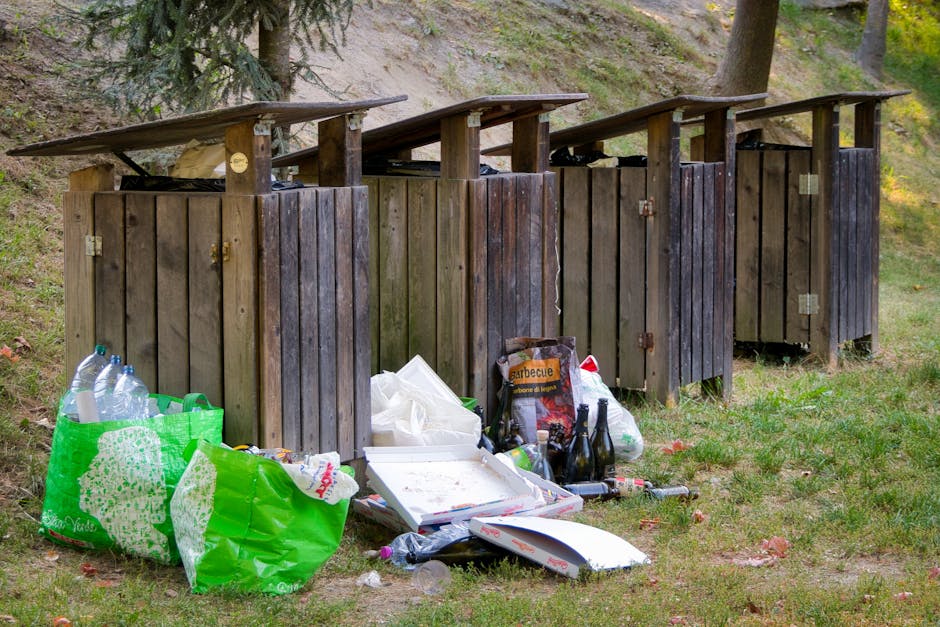
Common Mistakes to Avoid
Most bulky waste headaches come from a few repeat mistakes. Nothing dramatic. Just the sort of things people only realise after the van arrives.
- Underestimating volume: one big wardrobe can fill more space than three small bags of rubbish.
- Ignoring access restrictions: low bridges, parking limits, and narrow staircases can all slow the job down.
- Mixing waste types: builders' waste, electrical items, and furniture may need different handling.
- Assuming everything is recyclable: some items are, some are partly, and some are not. It depends on the material and condition.
- Leaving it to the last day: that is how stress, rushed decisions, and extra costs creep in.
- Using an unverified operator: if waste is not handled correctly, the liability can come back to you.
One common trap in busy parts of London is the "we can just wheel it out later" plan. Later often turns into peak traffic, a blocked entrance, or a neighbour who needs the same space. Not ideal. If you want the work done neatly, it pays to choose a time and method that fits the street, not just your diary.
Tools, Resources and Recommendations
You do not need a warehouse of equipment to handle bulky waste well, but a few basic tools make life easier. A tape measure, gloves, a sturdy dolly or sack truck, strong bags for smaller pieces, and a screwdriver or hex key set can solve more problems than people expect.
For larger or mixed jobs, these resources help:
- Simple item inventory: a quick list of what is going and what is staying.
- Photographs: useful for quoting and planning access.
- Building access notes: floor level, lift availability, and whether there is space to park close by.
- Waste sorting area: a small cleared space for separating recyclable materials.
- Company policy pages: for trust, safety, and service expectations, start with about us, insurance and safety, and waste carrier licence and compliance.
If you are cost-checking, a transparent pricing and quotes page is usually the quickest place to start. And if you prefer to understand how a provider handles its responsibilities, the company's recycling and sustainability information is worth reading before you book.
Law, Compliance, Standards, or Best Practice
For bulky rubbish, compliance matters because waste disposal is not just a practical service; it is a regulated activity. You do not need to become an expert in waste law to get this right, but you should expect any reputable provider to operate as a licensed waste carrier and to handle waste responsibly. That is basic best practice in the UK.
As a customer, a sensible rule is simple: make sure the waste is collected by a properly authorised operator, ask where it will go, and keep a record if the job is commercial or linked to tenancy, refurbishment, or business premises. That record may matter later if you need to show you acted responsibly.
For businesses, the bar is usually a little higher. Commercial waste should be handled with more care, clearer documentation, and a stronger eye on duty of care. If you are clearing a shop, office, or mixed-use premises near the station, the relevant service is often a commercial waste removal or builders' waste disposal arrangement rather than a one-off general collection.
Best practice also includes:
- Using appropriate manual handling for heavy items
- Avoiding blocked communal access or fire exits
- Separating electrical items where needed
- Checking any building-specific access rules before collection
- Retaining service details for your own records
If you are ever unsure, ask. A good provider will answer plainly, not hide behind jargon.
Options, Methods, and Comparison Table
There is no single perfect way to handle bulky rubbish near Kentish Town station. The best method depends on volume, urgency, item type, and access. Here is a plain-English comparison to help you decide.
| Option | Best for | Strengths | Limitations |
|---|---|---|---|
| Self-removal | One or two small bulky items | Cheap upfront, flexible if you already have a vehicle | Heavy lifting, parking hassle, disposal uncertainty |
| Man-and-van style collection | Mixed household or office bulky waste | Quick, convenient, good for awkward items | Needs accurate volume estimates and clear access |
| Specialist clearance service | Large clearances, multiple rooms, or commercial sites | Better planning, more efficient for larger jobs | May not suit very small one-off items |
| Skip hire | Longer projects with ongoing waste generation | Useful for renovations and repeat loading | Needs space, permits may be needed, not ideal for tight streets |
Near a busy station area, access often tips the balance away from skip hire and toward a collected service. If you are clearing multiple item types, a broader furniture removal service or targeted appliance disposal can be far easier to manage.
Case Study or Real-World Example
Picture a small flat a short walk from Kentish Town station. The tenant is moving out, the landlord wants the place ready quickly, and the remaining bulky items include a double mattress, a chest of drawers, a broken desk chair, and an old fridge. Nothing outrageous. But the building has a narrow staircase, the street is busy in the morning, and parking is tight.
In a situation like that, the obvious mistake is trying to do everything in one rushed sweep. A better plan is to group the items by handling difficulty, clear the route first, and time the collection for a quieter period. The fridge needs careful handling. The mattress is awkward but manageable. The desk chair and drawers can often be loaded quickly once the larger items are out of the way.
What makes the difference is not heroics. It is order. A couple of photos, a rough item list, and a realistic time slot can turn a stressful move-out into something almost boring. And boring, in this context, is good.
In our experience, that is usually what people want most: not a perfect story, just a clean end to the job and no surprises later.
Practical Checklist
Use this quick checklist before booking or starting a bulky rubbish collection near Kentish Town station:
- Have I listed every bulky item clearly?
- Do I know roughly how much space the waste will take up?
- Have I checked stairs, lifts, narrow doors, and parking access?
- Do I need same-day or next-day collection?
- Have I separated furniture, appliances, and builders' waste?
- Do I know whether any item needs special handling?
- Have I cleared a path from the property to the exit?
- Have I checked the provider's licence, insurance, and safety information?
- Am I clear about pricing and what is included?
- Have I kept a note or photo record for my own file?
If you tick most of those boxes, the collection is usually much smoother. Not always flawless, because life is life, but smoother.
Conclusion
The common problems with bulky rubbish near Kentish Town station usually come down to access, timing, item size, and disposal planning. Once you understand those pressures, the job becomes a lot less intimidating. The trick is to treat it as a logistics task, not just a tidying task.
Start with the item list, think through the route, choose the right service, and make sure the disposal side is handled properly. That simple framework avoids most of the unpleasant surprises. And if the job is larger than expected, that is perfectly normal. It happens all the time.
For wider reading and related local context, it can also help to explore the area itself, including Kentish Town's local character, or review practical area guidance such as the Kentish Town Road rubbish removal guide. A little local knowledge goes a long way.
Get a free quote today and see how much you can save.
When the clutter is finally gone and the space feels quiet again, that small sense of relief is often the best part of the whole process.