Insider tips for Fortess Road rubbish collection Kentish Town
Posted on 07/05/2026
If you live, work, or manage a property near Fortess Road, you already know rubbish collection can be a bit of a juggling act. Narrow streets, busy footfall, awkward parking, last-minute clear-outs, and the occasional pile-up after a tenancy change or refurbishment all make waste handling feel more complicated than it should be. The good news? With the right approach, Fortess Road rubbish collection in Kentish Town can be quick, tidy, and far less stressful than most people expect.
This guide pulls together practical, local-minded advice on planning a collection, avoiding common mistakes, and choosing the right service for the job. Whether you are dealing with household clutter, office waste, old furniture, or renovation debris, these insider tips will help you save time, reduce hassle, and make a better call on the day. And yes, a little local know-how goes a long way here.
Why insider tips for Fortess Road rubbish collection Kentish Town matters
Fortess Road sits in a part of London where convenience matters, but space is often tight. That is the basic challenge. A collection that looks simple on paper can become annoying very quickly if waste is left out too early, access is blocked, or the wrong type of load is booked. On a street like this, the details matter more than people realise.
Insider tips are useful because rubbish collection is not just about removing items. It is about planning the removal around the realities of the street, the property type, and the type of waste involved. A flat on an upper floor has different needs from a shop unit. A one-off furniture pickup is not the same as a builders' waste job. Truth be told, many problems happen because people book a generic collection and hope it will fit every situation. It usually doesn't.
It also matters because poor waste handling can create avoidable issues: blocked pavements, missed collection windows, damage to communal areas, neighbour complaints, or unnecessary extra charges. If you are trying to keep a property presentable, prepare for a move, or simply get rid of clutter before it becomes a bigger job, the difference between "sort of organised" and properly prepared is huge.
For people who want the wider picture of local services and options, the broader services overview is a sensible starting point. It helps you see how different collection types fit together before you commit to a booking.
How Fortess Road rubbish collection works
At a practical level, rubbish collection in Kentish Town usually follows a simple pattern: you identify the waste, choose the right service, arrange a time, and ensure access is ready. The part that causes the headaches is the middle bit, because waste is rarely neatly packaged. It might include mixed items, bagged rubbish, bulky goods, old appliances, or construction debris. A bit of sorting beforehand can save a lot of faff later.
For domestic loads, many people use a dedicated domestic waste collection in Kentish Town when they need something more flexible than the usual bin service. That might be after a clear-out, a move, or just because there is more to dispose of than the household bins can manage.
If the load is larger or more mixed, a broader waste removal service in Kentish Town can be the better fit. This is often the safer choice when you are not quite sure whether you have one category of waste or several. The point is to match the service to the actual pile in front of you, not the pile you hoped you had.
In some cases, you may just need rubbish collection in Kentish Town for a straightforward pickup. That works well for households or smaller premises where the waste is ready to go and access is manageable. The more clearly you can describe the job in advance, the fewer surprises on the day.
There is also a local reality worth mentioning: access. On a busy road, timing and kerbside space can matter almost as much as the waste itself. If your rubbish is in a basement, rear courtyard, or top-floor flat, say so early. The collection team needs the full picture. Saves everyone a round of guesswork. Nice and simple, really.
Key benefits and practical advantages
Good rubbish collection is not just about clearing space. It can improve the way a property functions, reduce stress, and make your day feel less cluttered before the waste even leaves the building. That sounds dramatic, but anyone who has ever lived around a stack of old boxes, broken furniture, or half-finished DIY debris knows the feeling.
Here are the main benefits people tend to notice:
- Faster clearance when waste is pre-sorted and easy to access.
- Less disruption to neighbours, tenants, customers, or building users.
- Better value when the collection is booked correctly the first time.
- Lower stress because the job is handled in one go rather than dragged out.
- Cleaner presentation for homes, rentals, offices, or commercial premises.
- Improved recycling outcomes when recyclable materials are separated properly.
There is also a subtle but important benefit: momentum. Once rubbish is gone, the rest of the space becomes easier to deal with. A cleared room suddenly feels possible again. Maybe that sounds obvious, but in practice it changes how quickly a project moves forward. One tidy collection can unlock a whole flat, storage area, or office corner.
If you are trying to reduce waste at source, the company's recycling and sustainability information is worth a look too. It is helpful for anyone who wants their clearance to be a bit more considered, not just fast.
Who this is for and when it makes sense
This kind of collection is useful for a wide range of people, and not only for major clear-outs. In fact, some of the most common jobs are small but awkward. A mattress that will not fit in a car boot. Old shelving that should have been removed months ago. A broken dishwasher waiting in the hallway. The everyday stuff, in other words.
Fortess Road rubbish collection makes sense for:
- homeowners clearing garages, lofts, spare rooms, or kitchens
- tenants preparing for end-of-tenancy handover
- landlords resetting a property between lets
- local businesses handling packaging, old fittings, or bulky rubbish
- office managers clearing desks, chairs, and general work clutter
- contractors dealing with builders' or refurbishment waste
It is especially useful when you have items that are too bulky, too mixed, or simply too much for regular household disposal. That includes sofas, wardrobes, white goods, mixed bagged waste, and renovation offcuts. If the job is awkward enough that you have already started saying, "I'll deal with it next week," then it may be time.
For furniture-heavy jobs, the related furniture removal service in Kentish Town can be a better fit than a general collection. Likewise, if the issue is a specific item rather than a full room, furniture disposal in Kentish Town can be the cleaner option.
And if you are in a commercial setting, the needs change again. Packaging, archived materials, old stock, and back-office clutter all need a more structured approach. A commercial waste removal service in Kentish Town is designed for that sort of steady, practical demand.
Step-by-step guidance
Here is a simple process that keeps things on track. Not fancy. Just effective.
- List the waste clearly. Separate general rubbish, bulky items, recyclable materials, and anything that may need special handling.
- Check access. Note stairs, lifts, narrow entrances, locked gates, parking restrictions, and any loading issues on Fortess Road.
- Take a few photos. A couple of quick images usually help explain the load better than a long description.
- Choose the right service. Domestic, commercial, furniture, appliance, builders' waste, or full waste removal.
- Confirm timing. Pick a slot that suits both access and your own schedule, especially if someone must meet the team in person.
- Prepare the waste. Bag loose rubbish, tape sharp edges where needed, and keep pathways clear.
- Protect the route. If waste must move through a hallway or communal area, remove fragile items and warn neighbours if needed.
- Ask the awkward questions. Better to clarify in advance than discover on collection day that the fridge, mattress, and plasterboard need different handling.
That last bit is the one people skip. Then they end up negotiating with a stack of rubble at the kerb and wondering why the quote changed. A quick five-minute check often prevents that. Simple, but very useful.
If your job involves heavy or awkward items, look at the dedicated white goods and appliance disposal in Kentish Town page as well. Fridges, freezers, and washing machines often need more careful planning than people expect.
Expert tips for better results
After enough rubbish collection jobs, a pattern emerges. The smooth jobs are not necessarily the smallest jobs; they are the best-prepared ones. That is the real insider secret.
1) Sort before you quote
Do not just say "it's a bit of everything." That phrase covers a lot of sins. If you can separate cardboard, wood, metal, fabric, and general bagged waste before you ask for a quote, you are far more likely to get an accurate price and the right vehicle.
2) Measure bulky items properly
For sofas, wardrobes, desks, and appliances, rough sizing is better than guessing. A collection team can often work with approximate dimensions, but if the item must come down stairs or through a tight doorway, the measurements matter. And yes, the hallway always feels smaller on collection day.
3) Put the waste where it is easiest to reach
If you can safely move waste closer to the exit before the team arrives, do it. A tidy staging area saves time and reduces back-and-forth. Just keep it sensible. Don't block your own front door. That has happened more than once, to be fair.
4) Keep hazardous or specialist items separate
Paints, chemicals, certain electronics, gas canisters, and some construction materials may need special handling. If you are unsure, ask before collection. A decent provider will tell you what can and cannot be taken, and what should be kept apart.
5) Think about recycling early
Many loads contain more recoverable material than people realise. Cardboard, metal, some wood, and certain appliances may be handled differently from general rubbish. If sustainability matters to you, it is worth planning with that in mind from the start. Not in a preachy way. Just practically.
For a broader perspective on greener disposal habits, the site's guide to reducing plastic in packaging is a useful reminder that waste decisions often begin before the bin is full.
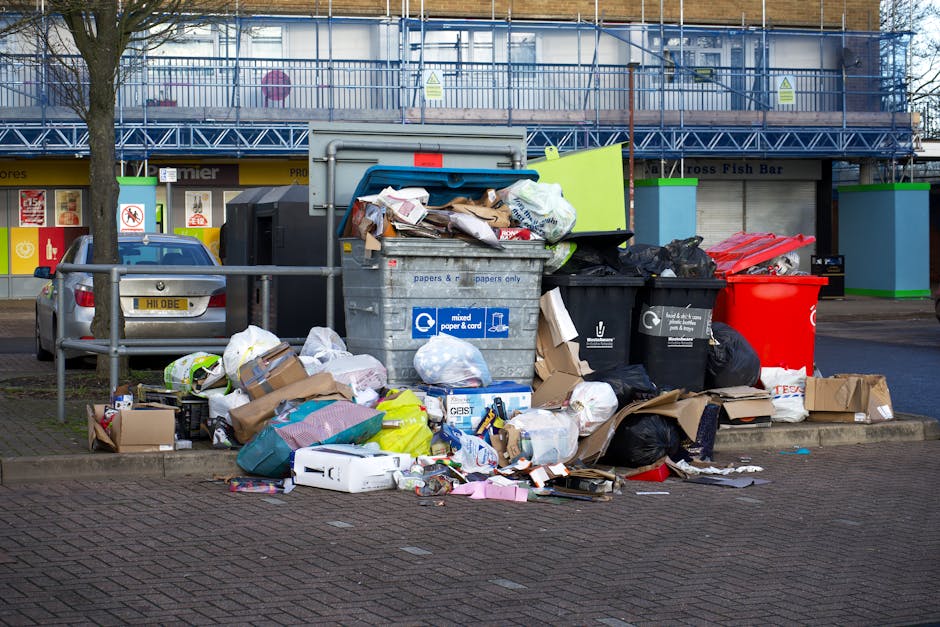
Common mistakes to avoid
Most collection problems are avoidable. That is the frustrating part. A little preparation usually prevents the drama.
- Leaving everything unsorted and expecting one generic quote to cover it all.
- Underestimating access problems, especially on a street with limited stopping space.
- Forgetting to mention upstairs or rear access, which can change the time needed for the job.
- Mixing ordinary waste with items that need special handling.
- Booking too late and then needing same-day help without warning.
- Assuming "bulky" means "any bulky thing" without checking service scope.
- Not checking whether the provider is properly licensed and insured.
That last point matters. A lot. If a provider cannot show proper compliance, you do not want your waste leaving with them. In the UK, waste transfer is a serious business, and the responsibility does not disappear just because the rubbish is out of sight.
Another mistake is ignoring the human side of the job. Neighbours, building managers, and shop staff all get affected by timing and mess. A little courtesy goes a long way. Quietly amazing how often that solves things.
Tools, resources and recommendations
You do not need fancy equipment for most rubbish collection jobs, but a few basic tools make life easier.
- Heavy-duty bags for loose general waste
- Labels or marker pens to mark what stays, what goes, and what is recyclable
- Work gloves for sorting sharp or dusty items
- Measuring tape for furniture and appliances
- Phone camera for photos and quote requests
- Basic trolley or sack barrow if you are moving items a short distance safely
On the information side, a few pages are worth keeping in mind. The pricing and quotes page is a helpful place to understand how cost discussions are usually handled. The insurance and safety information is also worth reading if your job involves stairs, heavy items, or shared access. And if you want to understand how the company positions itself more broadly, the about us page adds useful context.
If your collection is part of a move, a refurbishment, or a tidy-up before a property listing, then a more holistic view can help. In that case, services and local property context sometimes overlap, especially around shared buildings or end-of-tenancy timing. That is where the small details save the day.
Law, compliance, standards, and best practice
Waste collection in London should be handled carefully and by a properly authorised carrier. You do not need to become a compliance expert yourself, but you should know the basics. A reputable provider should be able to explain how waste is transported, where it goes, and how it is dealt with. If that sounds vague, ask more questions.
At a minimum, best practice means:
- using a licensed waste carrier where appropriate
- separating hazardous or restricted items from general waste
- keeping records or receipts where needed
- avoiding fly-tipping risk by checking who collects your waste
- making sure access, lifting, and loading are done safely
The company's waste carrier licence and compliance information is a strong page to review if you want reassurance before booking. It is one of those things people often ignore until they need it. Better to check early, honestly.
For businesses, compliance becomes even more important because there may be internal rules around disposal records, duty of care, insurance, and site access. If you manage commercial waste, do not rely on guesswork. A straightforward process now can prevent awkward questions later. And nobody wants those.
Also, if accessibility matters for your building or collection route, the accessibility statement can help set expectations around site usability and inclusivity. It may not be the first thing you think of, but it matters on real streets with real people moving real items.
Options, methods, and comparison table
Choosing the right rubbish collection method depends on the waste type, volume, and how quickly you need it gone. Here is a simple comparison to help you make a smarter choice.
| Method | Best for | Advantages | Watch out for |
|---|---|---|---|
| General rubbish collection | Bagged waste, mixed small items, routine clear-outs | Simple, flexible, quick to arrange | May not suit bulky or specialist items |
| Domestic waste collection | Household clutter, tenancy changes, room clearances | Convenient for homes and flats | Access details need to be accurate |
| Furniture removal | Sofas, beds, wardrobes, tables, chairs | Good for bulky items | Measurements and stair access matter |
| White goods disposal | Fridges, freezers, washers, cookers | Useful for heavy, awkward appliances | Some items need special handling |
| Builders' waste disposal | DIY debris, rubble, timber, plasterboard | Suited to renovation projects | Different waste types may be priced differently |
| House or loft clearance | Larger property clean-outs | Best for substantial volumes | Needs clear planning and room-by-room sorting |
If you are still unsure, think in terms of what you would say to a friend: "Is this a quick pickup, or is this a proper clear-out?" That question usually points you in the right direction.
Case study or real-world example
Here is a realistic example based on the sort of job that comes up all the time near Fortess Road. A tenant is moving out of a first-floor flat. There is a broken bed frame, two chairs, several bags of mixed rubbish, flattened boxes, and an old microwave. The hallway is narrow, the building has shared access, and the move-out date is fixed. Classic tight-squeeze situation.
The job goes smoothly because the resident:
- takes photos of the items in advance
- separates cardboard from general waste
- checks whether the bed frame needs to be dismantled
- mentions the stairs and shared entrance at booking
- books a collection for a time when the hallway is least busy
The difference is not luck. It is preparation. If the same job had been booked as a vague "bit of rubbish" collection, there would likely have been delays, awkward lifting, or extra time spent on site. Instead, the removal team arrives with the right expectations, the right equipment, and a clear route. Job done.
For property owners and landlords, this is especially relevant if a flat is being refreshed for sale or re-let. A clear space photographs better, feels more manageable, and makes the next stage easier. If that is your situation, you may also find the local property-related articles such as whether Kentish Town is a top place to live and Kentish Town real estate purchases useful for broader area context.
Practical checklist
Use this before collection day. It takes a few minutes and prevents a lot of nonsense.
- Have I identified exactly what needs collecting?
- Have I separated general waste, recyclables, bulky items, and specialist items?
- Have I checked access, parking, stairs, lifts, and any restrictions?
- Have I measured large items or taken photos?
- Have I confirmed the best collection type for the job?
- Have I asked about licensed disposal and safety procedures?
- Have I cleared a route from the waste to the exit?
- Have I warned anyone else who shares the space, if needed?
- Have I reviewed pricing, terms, and any special handling concerns?
- Am I ready for the collection window, with keys or access arranged?
Quick practical takeaway: the cleaner the setup, the better the result. A little sorting, a few photos, and honest access details usually make the biggest difference of all.
Get a free quote today and see how much you can save.
Conclusion
The smartest approach to Fortess Road rubbish collection in Kentish Town is not complicated. Be specific, prepare access, sort what you can, and choose the right service for the type of waste you actually have. That is the core of it. The rest is just making sure the job is carried out safely, legally, and with as little disruption as possible.
Whether you are clearing a flat, dealing with a small office refresh, or shifting bulky household items, the best results usually come from calm planning rather than last-minute panic. A bit of local know-how makes a surprisingly big difference, especially on busy London streets where space is limited and timing matters.
If you want the job done properly, it is worth taking the first step now rather than waiting until the pile gets in your way again. Sometimes that one decision clears more than rubbish.