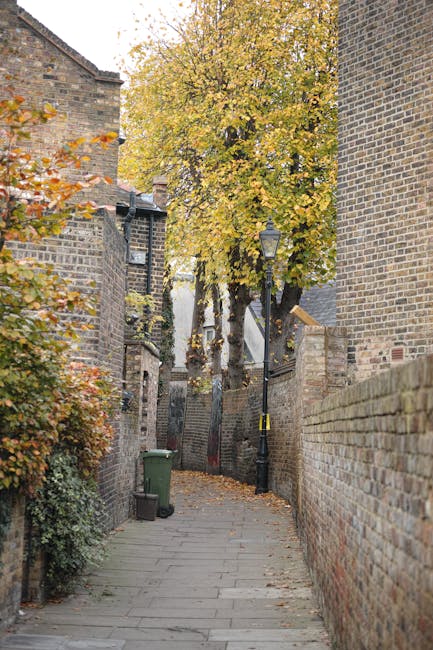
Rear garden rubbish access Prince of Wales Road Kentish Town
Posted on 18/06/2026
Rear garden rubbish access Prince of Wales Road Kentish Town: a practical local guide
If you are dealing with rear garden rubbish access Prince of Wales Road Kentish Town, you are probably trying to solve a very ordinary but awkward problem: how to get waste out of a back garden without damaging fences, upsetting neighbours, or turning the whole thing into a half-day ordeal. In Kentish Town, that small access issue can make a big difference to time, cost, and how smoothly a clearance goes. This guide walks through what rear garden access really means, why it matters, how it works in practice, and what to do when the space is narrow, shared, overgrown, or just plain inconvenient.
It is written for people who want a clear, realistic answer, not vague advice. You will find practical steps, a comparison of access options, common mistakes, and a checklist you can actually use. To give a fuller local picture, we also link to useful background reading on Kentish Town, including the neighbourhood's character and what makes it such a liveable part of London. Not every garden access job is dramatic, but some are fiddly. This article helps you handle the fiddly bit properly.
Why Rear garden rubbish access Prince of Wales Road Kentish Town Matters
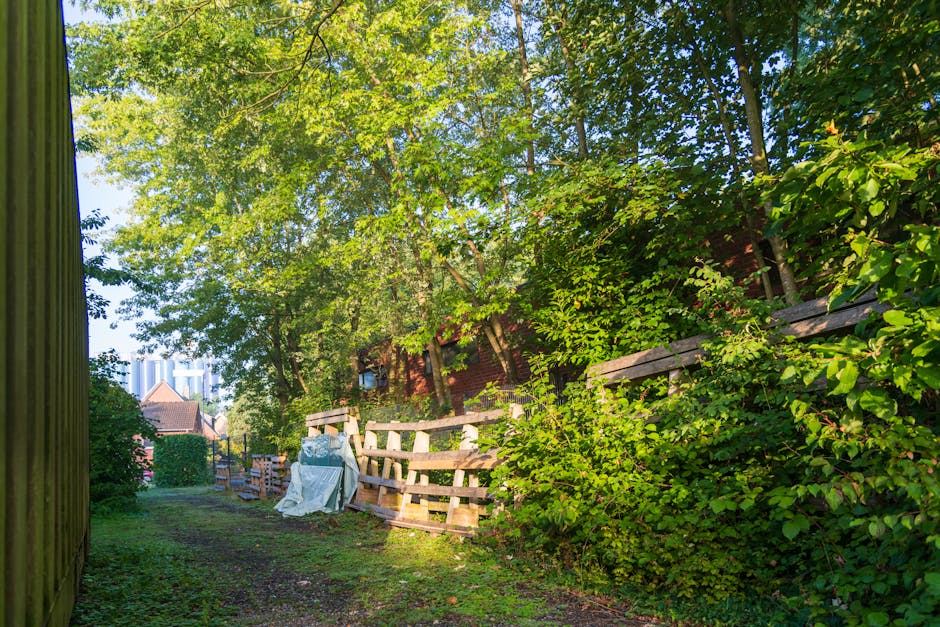
Rear garden clearance sounds simple until you look at the layout. On streets around Prince of Wales Road, access can be tight, awkwardly angled, partly shared, or blocked by bins, planting, bikes, sheds, and the odd piece of furniture that has been "temporarily" left outside for months. That matters because waste removal is not just about collecting items. It is about how those items physically leave the property.
If access is poor, the job can take longer, involve more lifting, and create more risk of damage. A crew may need extra carrying distance, more careful loading, or even a completely different removal method. That affects timing and can influence the quote. In simple terms: good access usually means less labour, less faff, and fewer surprises. Bad access? Well, that is where people start muttering under their breath by 8:30 in the morning.
This is especially relevant in a dense urban area like Kentish Town, where rear gardens are often behind terraced homes, basement flats, or converted buildings. You may not have the generous side passage you see in suburban areas. So the access route becomes the main event. If you are planning broader household work too, you may also find the services overview useful for seeing how different clearance needs fit together.
Expert summary: the quality of rear garden access often decides whether a rubbish removal feels quick and tidy or slow and messy. Measure the route, clear the path, and think about lifting points before you book anything. That one bit of prep can save a lot of stress.
How Rear garden rubbish access Prince of Wales Road Kentish Town Works
The process is usually straightforward, but the details matter. A team will want to understand how they can reach the back garden, where the waste is sitting, and whether there are any restrictions on moving it out safely. In most cases, they will assess:
- the width of gates, side passages, or internal routes
- the surface underfoot, such as slabs, gravel, decking, or mud
- steps, slopes, narrow turns, or low walls
- any fragile items, planting, or fixtures that need protection
- whether access is shared with neighbours or other occupiers
If the rubbish can be moved directly to the front, great. If not, the team may need to carry items through the property, through a side return, or along a rear path. On more difficult jobs, smaller loads are often moved in stages. It is not glamorous, but it works.
For bigger or mixed loads, the access method may change depending on what is being removed. A pile of old fencing and garden clippings is one thing; a heavy wardrobe, broken appliance, or builder's rubble is another. That is why services like garden waste removal in Kentish Town and builders waste disposal are often handled differently. The access route, in other words, shapes the removal plan.
You may also notice that the same property can be easy one week and awkward the next. A hedge grows, a bin store fills up, the rain makes the ground slippery, and suddenly the route is no longer straightforward. That is why access should be checked each time rather than assumed from memory.
Key Benefits and Practical Advantages
Getting rear access right offers more than convenience. It improves the entire removal experience, especially in busy parts of NW5 where street parking and loading space can be limited.
- Less disruption inside the home: a clear path means less chance of scuffed walls, muddy footprints, or accidental knocks.
- Faster turnaround: when the route is planned properly, the crew can work with fewer stops and fewer awkward lifts.
- Better safety: safer routes reduce strain on workers and lower the risk of dropped items or trips.
- Cleaner finish: debris is less likely to be scattered through the house or garden.
- More accurate pricing: realistic access information helps avoid added labour time or last-minute changes.
There is also a psychological benefit, if that is not too grand a word for it. A sorted access route makes the whole job feel under control. Instead of wondering whether a sofa will fit past the shed or whether a wheelbarrow can survive the path, you already know the answer. That kind of certainty is useful.
If you are comparing broader rubbish options, it helps to read around the full service picture. For example, a house packed with mixed items might need house clearance, while a smaller one-off load could fit better with rubbish collection in Kentish Town. Access planning sits at the centre of both.
Who This Is For and When It Makes Sense
This topic is not just for homeowners. Rear garden access issues come up in all sorts of situations across Prince of Wales Road and the surrounding area.
- Homeowners clearing garden clutter, broken furniture, shed waste, or renovation leftovers
- Landlords preparing a property between tenancies
- Tenants trying to leave a back garden in acceptable condition at the end of a let
- Managing agents organising clearance after void periods or maintenance work
- Builders and tradespeople who need a clean removal route for leftover materials
- Small businesses with rear-yard storage, packaging waste, or occasional bulky items
It makes sense any time you cannot simply wheel waste straight to the front door. That is the basic test. If you have to go through a narrow side path, over a shared threshold, or around a tricky corner, the access plan matters. A lot.
One practical example: after a garden tidy-up, you might have branches, old pots, soil bags, and a rusted table all sitting at the back. If the route is narrow and there is a low gate latch, a quick collection can turn into a careful carry-and-stack operation. Not impossible, just worth planning for.
For people who need a broader clear-out beyond the garden, furniture removal and furniture disposal may also be relevant, especially where larger items have to travel through the same route as garden waste.
Step-by-Step Guidance
Here is the simplest way to approach rear garden rubbish access without overthinking it.
- Inspect the route end to end. Walk from the garden to the loading point. Note every gate, corner, step, and bottleneck.
- Measure the narrowest point. A tape measure is boring, yes, but incredibly useful. The tightest pinch point decides what can be moved.
- Identify obstacles. Bins, planters, hoses, bikes, washing lines, and loose paving can all slow things down.
- Clear the path first. Move what you safely can before the collection day. Even a small tidy helps.
- Group waste by type. Put heavy, sharp, recyclable, and bulky items in separate clusters where possible.
- Check for fragile surfaces. Wet decking, loose gravel, and old slabs can all make carrying trickier.
- Decide whether access is internal or external. The best route is not always the obvious one. Sometimes the side path is better than carrying through the lounge. Sometimes not.
- Share the details clearly. Be honest about the access. If the gate sticks or the hedge has become a beast, say so.
That last point sounds obvious, but it is where a lot of jobs go wrong. People underplay the difficulty because they do not want to make a fuss. Then the crew arrives and discovers a route that would challenge a shopping trolley. It is better to be candid from the start.
If the garden load includes branches, turf, or soil, you may want to cross-check with garden waste removal services so the team knows what sort of material and loading pattern to expect.
Expert Tips for Better Results
In our experience, the best jobs are rarely the biggest ones. They are the ones where the access has been thought through before anyone turns up.
- Take one photo of the route. A quick phone picture of the gate, path, and exit point can save a lot of back-and-forth.
- Open gates in advance. Sounds tiny. It isn't. A stubborn latch can interrupt the whole flow.
- Protect corners and narrow walls. If you know a heavy item is going past a tight turn, use blankets or temporary padding where appropriate.
- Separate sharp items early. Old metal edging, broken fencing, and sheet glass need careful handling.
- Leave a clear landing zone. The back garden should not be a maze on collection day.
- Plan for weather. A damp morning in London changes the grip on steps and paving. Little things become bigger in the rain.
Another useful tip: if the access route crosses a shared hallway or communal area, notify the relevant people ahead of time. That way nobody is surprised by temporary movement through the space. It is just considerate, really.
And here is a small one from day-to-day experience: if something looks like it might catch on a latch, it probably will. Better to remove the latch, pad the edge, or change route than to find out the hard way. Nobody wants a chipped wall and a sigh-filled conversation at the end of the job.
Common Mistakes to Avoid
A lot of access problems are avoidable. The trouble is, they are also easy to overlook when you are focused on the mess itself.
- Assuming the route is wide enough without measuring it
- Forgetting about height restrictions such as low overhangs, handrails, or steps
- Leaving the garden cluttered so the crew has no safe working space
- Not mentioning shared access until the day of the job
- Mixing waste types so sorting takes longer than expected
- Ignoring fragile surfaces like old decking or loose paving
- Booking the wrong service for the amount or type of material
One common slip-up is booking a standard collection when the rear access clearly calls for a more careful clearance approach. That is how people end up re-arranging the job on the fly. It is fixable, but nobody loves a reschedule.
If you want to avoid budgeting surprises as well, the article on hidden rubbish removal fees in Kentish Town is well worth a read. Access and pricing often go hand in hand.
Tools, Resources and Recommendations
You do not need specialist equipment for most rear garden access jobs, but a few simple tools make life much easier.
- Tape measure: for gate width, path width, and tight corners
- Work gloves: useful when clearing debris or moving rough items
- Garden sacks or rubble bags: for splitting loose waste into manageable loads
- Blankets or old covers: for protecting internal routes or painted edges
- Bin liners and ties: ideal for lighter loose waste
- Phone camera: to document access issues or send accurate pictures in advance
As for service selection, choose the option that matches the waste type and access difficulty. A few examples:
- For mixed household clutter, look at domestic waste collection.
- For old tables, chairs, and wardrobes, furniture disposal is usually the better fit.
- For heavier renovation debris, use builders waste disposal.
- For larger mixed projects, waste removal may be the cleanest all-round option.
If you are in the research stage and want a broader sense of how local waste services are described and delivered, the recycling and sustainability page is a helpful starting point for understanding disposal expectations and responsible handling.
Law, Compliance, Standards, or Best Practice
For this sort of work, the main compliance issue is making sure waste is handled by a properly authorised carrier and disposed of responsibly. You do not need to become an expert in waste law, but you should expect any professional operator to work in line with UK waste carrier requirements and standard safety practices.
In plain English, that means a few things:
- the waste should be taken by someone who is allowed to carry it
- items should be transported safely and securely
- reusable and recyclable materials should be separated where sensible
- hazardous or awkward materials should be handled with extra care
- access arrangements should not put workers, residents, or neighbours at unnecessary risk
Best practice also includes being upfront about the route. If access is poor, the team can plan the right lifting approach and reduce the risk of damage. That is not bureaucracy for its own sake; it is just common-sense risk control.
If you are choosing a provider, it is sensible to look at their waste carrier licence and compliance, and also their insurance and safety information. Those pages help reassure you that the work is being handled properly and not casually. There is enough to worry about with a tight back garden. Compliance should not be one of them.
Options, Methods, or Comparison Table
There is more than one way to get rear garden rubbish out of a property. The right method depends on access, volume, weight, and how urgent the job is.
| Method | Best for | Pros | Watch-outs |
|---|---|---|---|
| Manual carry through the house | Smaller loads, limited external access | Flexible, works in tight spaces | More risk of scuffs and slower completion |
| Side passage or external route | Gardens with usable side access | Often quicker and cleaner | Can be blocked by bins, planters, or narrow turns |
| Staged loading from the rear | Bulky or mixed waste | Good for organised clearances | Needs enough space in the garden for sorting |
| Full clearance service | Large, mixed, or time-sensitive jobs | Most efficient overall | Usually requires clearer scope and better advance information |
For some readers, the choice is not between methods but between speed and caution. If you need something dealt with quickly, you may lean toward same-day rubbish removal in Kentish Town. If the job is less urgent but more complex, careful planning tends to win. And that is fine. Not everything has to be rushed.
Case Study or Real-World Example
A typical scenario goes like this. A ground-floor property near Prince of Wales Road has a rear garden with old fencing panels, a broken storage unit, a few damp bags of general rubbish, and a heavy planter that nobody wants to lift twice. The back gate is narrow, the path has one awkward turn, and there is a washing line right where it should not be.
The sensible approach is simple enough: clear the route first, split the lighter waste from the heavy bits, and measure the narrowest point before the crew arrives. In this kind of job, the team might decide to move the lighter bags first, then bring out the bulky items one by one. If the planter is too heavy for a quick carry, it is handled separately so nothing gets strained or dropped.
What usually makes the difference is not strength. It is sequence. First the path, then the bagged waste, then the awkward items, then the final sweep. By the end, the garden feels surprisingly calm again. A bit of quiet. A bit of breathing room. Very welcome, honestly.
If the same property also has indoor clutter waiting, combining access planning with a broader service like house clearance in Kentish Town can make the whole process more efficient.
Practical Checklist
Use this before the collection day. It is short on purpose.
- Measure gate widths and narrow points
- Check whether the route is level, wet, or slippery
- Move bins, bikes, tools, and loose items out of the way
- Separate garden waste, furniture, and builders waste if possible
- Look out for low walls, hanging branches, or sharp edges
- Confirm whether access is internal, external, or shared
- Take a few photos of the route and the waste pile
- Tell the provider about anything awkward before the day arrives
- Leave the path clear from the garden to the loading point
- Keep children and pets away from the working area
A quick check like this may sound a bit ordinary, but ordinary is exactly what you want here. Smooth, predictable, and done without drama.
Conclusion
Rear garden rubbish access on Prince of Wales Road in Kentish Town is one of those practical details that can quietly make or break a clearance. Get the route right, and the job feels efficient and almost effortless. Ignore it, and even a small pile of waste can become slow, awkward, and more expensive than it needed to be.
The good news is that access problems are usually manageable. Measure the route, clear the path, be honest about the obstacles, and choose the right removal method for the space you actually have. That approach works whether you are clearing garden cuttings, old furniture, mixed household waste, or leftover materials after a project.
And if you are still weighing up the best next step, start with the access route. It tells you nearly everything you need to know.
Get a free quote today and see how much you can save.
There is something satisfying about turning a cramped, cluttered back garden into a clear space again. A little less mess, a little more room, and a lot less stress. That is usually the goal, after all.