Avoid hidden rubbish removal fees in Kentish Town
Posted on 02/06/2026
If you have ever booked a rubbish collection and then watched the price creep up on the day, you are not alone. Hidden rubbish removal fees are frustrating, awkward, and usually avoidable. In Kentish Town, where homes, shops, offices, and renovation projects can all generate different types of waste, the safest approach is to understand how pricing really works before anyone turns up with a van.
This guide shows you how to spot sneaky charges, compare quotes properly, and make sure you are paying for the waste removal you actually need. It also explains the small details that often get missed, from access issues to item categories, so you can avoid the classic "oh, that'll be extra" moment. Let's face it, nobody wants that conversation on the pavement.
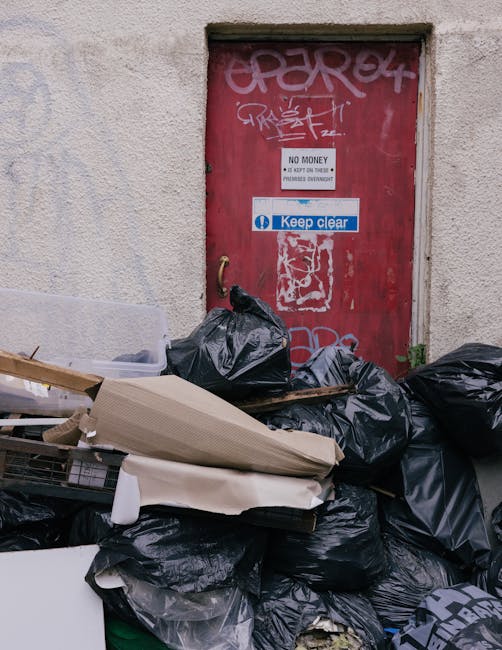
Why Avoid hidden rubbish removal fees in Kentish Town Matters
In a busy part of north London, waste removal is often a mix of convenience, timing, and trust. The trouble is that some quotes look cheap at first glance, then extra charges appear for loading, labour, staircase access, parking, congestion, item type, or the amount of waste once it is measured properly. If you are clearing a flat near a narrow street, or shifting old furniture from a top-floor property, those "extras" can change the whole budget.
Hidden fees matter because rubbish removal is usually booked when you are already dealing with something else: a move, a refurbishment, a probate clearance, a tenant handover, or a business clean-up. You want the job done quickly, but you also want the numbers to make sense. A transparent quote gives you confidence. A vague quote gives you headaches. Simple as that.
There is also a practical side. If you know what can increase the final cost, you can prepare the waste, arrange access, and choose the right service. That often saves money and time. For readers comparing wider local options, the service context on the services overview and the local rubbish collection in Kentish Town page can help you understand what is typically covered.
How Avoid hidden rubbish removal fees in Kentish Town Works
The basic idea is straightforward: you get a quote, the collector assesses the waste, confirms what is included, then removes the rubbish and issues the final price based on the agreed terms. The problem is that not every quote is built the same way. Some are estimated by volume, others by item count, and some are dependent on labour time, access, or disposal type.
A trustworthy provider will usually explain:
- what type of waste is included
- how volume or weight is measured
- whether labour is included
- if stairs, distance, or parking restrictions matter
- whether specialist items have separate disposal costs
- what happens if the load is different from the description
That last point is where many disputes begin. For example, a quote based on a few bags and one broken wardrobe can change if the driver finds a second sofa, old carpet rolls, or construction debris tucked around the corner. Not a scam every time, to be fair, but it can feel like one if the original conversation was vague.
If you are dealing with a larger amount of waste, the relevant service page such as waste removal in Kentish Town or a more specific option like house clearance in Kentish Town can help set expectations before anyone arrives.
Key Benefits and Practical Advantages
Getting pricing right is not just about saving a few pounds. It improves the whole experience. When hidden fees are removed from the equation, you can make better decisions and avoid the last-minute stress that often comes with waste disposal.
Here are the main advantages:
- Clear budgeting: You know the likely total before the van arrives.
- Less friction on the day: No awkward renegotiation at the kerb.
- Better comparison: You can compare like-for-like rather than guessing.
- Faster completion: The team can work efficiently when the load is described properly.
- Lower risk of disputes: A written or clearly explained quote creates a cleaner record.
There is another quiet benefit people overlook: transparency usually signals professionalism. If a company is careful about pricing, it is often careful about sorting, handling, and disposal too. Not always, but often enough that it is worth paying attention.
Expert summary: The cheapest quote is not always the best value. The best quote is the one that explains exactly what is included, what could change, and what stays fixed. That is the difference between a smooth job and a costly surprise.
Who This Is For and When It Makes Sense
This matters for almost anyone arranging waste removal in Kentish Town, but especially if your job has a few moving parts. A straightforward bin-bag collection is one thing. A mixed clear-out from a basement flat is another. The more variables you have, the more you need to ask about pricing upfront.
It is especially relevant for:
- homeowners clearing out bulky items or junk
- tenants moving out and trying to avoid deposit issues
- landlords preparing a property between lets
- office managers handling desks, chairs, or archived waste
- builders and tradespeople with debris and mixed waste
- shops, cafes, and small businesses doing a deep clear-out
If you need a specific collection type, it helps to look at the relevant page first, such as furniture removal, appliance disposal, builders waste disposal, or office clearance. That way the quote conversation starts from the right place.
For event organisers, the same logic applies. A post-event clear-up near a venue can get messy quickly. If that sounds familiar, the event rubbish removal guide for the O2 Forum area gives a useful local angle.
Step-by-Step Guidance
Here is the simplest way to avoid hidden rubbish removal fees without turning the whole thing into a spreadsheet marathon.
- List everything you want removed. Be honest and specific. "A bit of junk" is not enough. Count bags, note bulky items, and mention anything unusual.
- Separate regular waste from specialist items. Fridges, mattresses, builders rubble, and electricals can be priced differently. Say so early.
- Check access details. Is the property upstairs? Is there a lift? Is parking tight? Can a van stop nearby? These points matter a lot in Kentish Town streets.
- Ask what the quote includes. Loading, labour, fuel, disposal charges, and VAT if relevant should all be clear.
- Ask what could change the price. This is the big one. A good provider will tell you the triggers for extra costs.
- Request a final confirmation before the job starts. If the team sees something different, you want the conversation before lifting begins.
- Keep a record. Even a short email or message summary can prevent confusion later.
If you are booking online, check the provider's pricing guidance first. The pricing and quotes page is the sort of place where proper fee explanations should be made clear, which is exactly what you want before the van rolls up.
One tiny but useful habit: take a few photos. A quick picture of the waste pile, the staircase, and the parking situation can save a lot of back-and-forth. Not glamorous, but very effective.
Expert Tips for Better Results
Here is where the small differences add up. Most hidden fees do not appear because of one giant trick. They usually creep in through little misunderstandings.
1. Describe the waste in categories, not just in one lump
Instead of saying "general rubbish," split it into bags, furniture, appliances, garden waste, or renovation debris. That helps the provider estimate properly and reduces the odds of a surprise surcharge.
2. Ask about minimum charges
Some jobs are priced by load size, but others have a minimum call-out or base charge. If your pile is small, that may matter more than the amount of waste itself.
3. Clarify access and loading conditions
Long carries, multiple flights of stairs, locked communal entrances, or awkward loading points can all affect labour time. If a team must walk down a long corridor with heavy items, they will factor that in. Fair enough, really.
4. Be careful with mixed loads
Mixed waste is often more costly to sort than a single stream of material. For example, a load combining old furniture, paint tins, and rubble is harder to process than one load of just cardboard and bagged rubbish.
5. Match the service to the job
Using the wrong service can create extra charges. A proper domestic waste collection may be ideal for household rubbish, while a commercial waste removal approach is more suitable for business premises.
If your waste includes old shelves, wardrobes, or a sofa that has somehow become part of the furniture in the worst possible way, the local furniture disposal page is worth comparing with the more specific furniture removal service.

Common Mistakes to Avoid
A lot of avoidable overspending comes from simple errors. Nothing dramatic. Just normal human rushed-thinking, usually on a Monday morning.
- Accepting a quote with missing details. If the quote is not specific, it is not really a quote. It is a guess.
- Forgetting about access restrictions. Narrow streets, parking controls, and stair-only access can all affect cost.
- Underestimating the load. One more wardrobe, one more mattress, one more pile of broken shelves... and suddenly the price changes.
- Not asking about excluded items. Some materials need separate handling, and that should be explained early.
- Assuming all waste removal is the same. It is not. Garden waste, builders waste, and office clearance each come with different operational realities.
People also sometimes compare a fixed quote with a rough phone estimate and think they are the same thing. They are not. A rough estimate is useful, but it should be treated like, well, an estimate. If you want certainty, ask for the basis of the figure.
And one more thing: if a price sounds oddly low, ask why. Sometimes it is a genuine promotion. Sometimes it is missing half the cost. You can usually tell by how evasive the answer gets.
Tools, Resources and Recommendations
You do not need special software to avoid hidden fees, but a few simple tools help more than you might expect.
- Phone camera: Photograph the waste and the access route.
- Notes app: Keep a list of item types, quantities, and any special considerations.
- Measuring tape: Handy for bulky items, especially wardrobes, sofas, and appliances.
- Photo folder: Save images of the room, stairs, driveway, or parking spot.
- Written quote summary: A simple message confirming scope, date, and inclusions can prevent confusion.
Useful site pages for planning include waste carrier licence and compliance, insurance and safety, and terms and conditions. They matter because pricing trust is not just about the number on the page; it is also about how the service is run.
If sustainability matters to you, especially on larger jobs, the recycling and sustainability page is a sensible read. A transparent fee structure and responsible sorting often go hand in hand.
Law, Compliance, Standards, or Best Practice
Waste removal in the UK should be handled by a properly licensed carrier, and the company should be able to explain how it manages disposal responsibly. That is not just a formality. It protects you from the risk of rubbish being fly-tipped under your name, which is an unpleasant situation nobody needs.
From a best-practice perspective, a reputable provider should be clear about:
- what waste they can and cannot take
- how they price by volume, item, or labour
- how they handle potentially hazardous items
- what insurance or safeguards apply during collection
- how they record or explain disposal routes where relevant
That is why pages like about us and insurance and safety can be useful. They help you judge whether the service feels solid, not just cheap.
Best practice on your side is simple: give accurate information, ask for clarity, and keep the quote terms in writing if possible. If a provider is professional, those requests should feel normal, not awkward.
Options, Methods, or Comparison Table
Different waste removal methods suit different situations. Choosing the right one can prevent extra charges and reduce hassle.
| Option | Best for | Typical fee risk | How to avoid surprises |
|---|---|---|---|
| Fixed-price collection | Clearly defined loads with known access | Low, if scope is accurate | Confirm item list and access details |
| Volume-based pricing | Mixed household or business waste | Medium, if the pile is underestimated | Use photos and be realistic about size |
| Item-based pricing | Single bulky items such as sofas or appliances | Medium, if extra items appear | Count everything before booking |
| Clearance service | Homes, lofts, offices, and whole rooms | Higher if access or sorting is unclear | Specify rooms, floors, and anything delicate |
For larger domestic jobs, a loft clearance or office clearance may be more appropriate than a standard one-off collection. The right fit is often cheaper in the end. Oddly enough, the "bigger" service can be the smarter one.
Case Study or Real-World Example
Picture a typical Kentish Town flat: third floor, no lift, tight stairwell, and a mix of old furniture, bagged rubbish, and a broken washing machine waiting in the hallway. The first instinct is to ask for the cheapest quote possible. Understandable. Everyone does it.
But a clearer approach works better. The customer sends photos, lists the items, mentions the stairs, and says there is limited parking outside. The collection team then explains the main price drivers before confirming the booking. On the day, there is no surprise debate because both sides know what they are dealing with.
Now compare that with a vague booking: "about half a van of stuff." Half a van of what, exactly? Bags, furniture, rubble, wet carpet, a radiator, a mystery box from the back of the cupboard? That sort of description can lead to extra charges later, and nobody enjoys that little stand-off in the hallway.
This is where local knowledge helps too. If you are dealing with a street-specific situation, guides like Kentish Town Road NW5 rubbish removal guide, Fortess Road collection tips, and common bulky rubbish problems near Kentish Town Station can help you think through access and loading before the job starts.
Practical Checklist
Use this before booking any waste removal job in Kentish Town.
- Have I listed every item to be removed?
- Have I separated general waste from specialist items?
- Have I checked how many floors the team will need to carry items down?
- Have I mentioned parking restrictions, narrow access, or distance from the van?
- Have I asked whether labour and loading are included?
- Have I asked whether the quote is fixed or subject to change?
- Have I confirmed whether VAT, disposal, or extras are already included?
- Have I checked the company's compliance and safety information?
- Have I saved photos or a written summary of the agreed scope?
- Have I chosen the right service for the waste type?
If you can tick most of those boxes, you are in a much better position to avoid hidden rubbish removal fees. And honestly, the whole job feels calmer when you have done that bit of prep.
Get a free quote today and see how much you can save.
Conclusion
Avoiding hidden rubbish removal fees in Kentish Town is mostly about clarity. Clear photos. Clear item lists. Clear access details. Clear questions. That is the pattern. Once you understand how quotes are built, you stop treating the price as a mystery and start treating it like a decision you can control.
For local households, landlords, businesses, and tradespeople, that is a real advantage. It protects your budget, reduces stress, and helps the collection go smoothly on the day. If you are clearing a flat, handling office waste, or sorting out a bulky load after a busy week, a bit of preparation goes a long way. Truth be told, it saves more hassle than most people expect.
Choose transparency, ask the awkward questions early, and do not be rushed by a too-good-to-be-true price. A straightforward service is worth its weight in peace of mind. That matters in Kentish Town, and it matters everywhere else too.